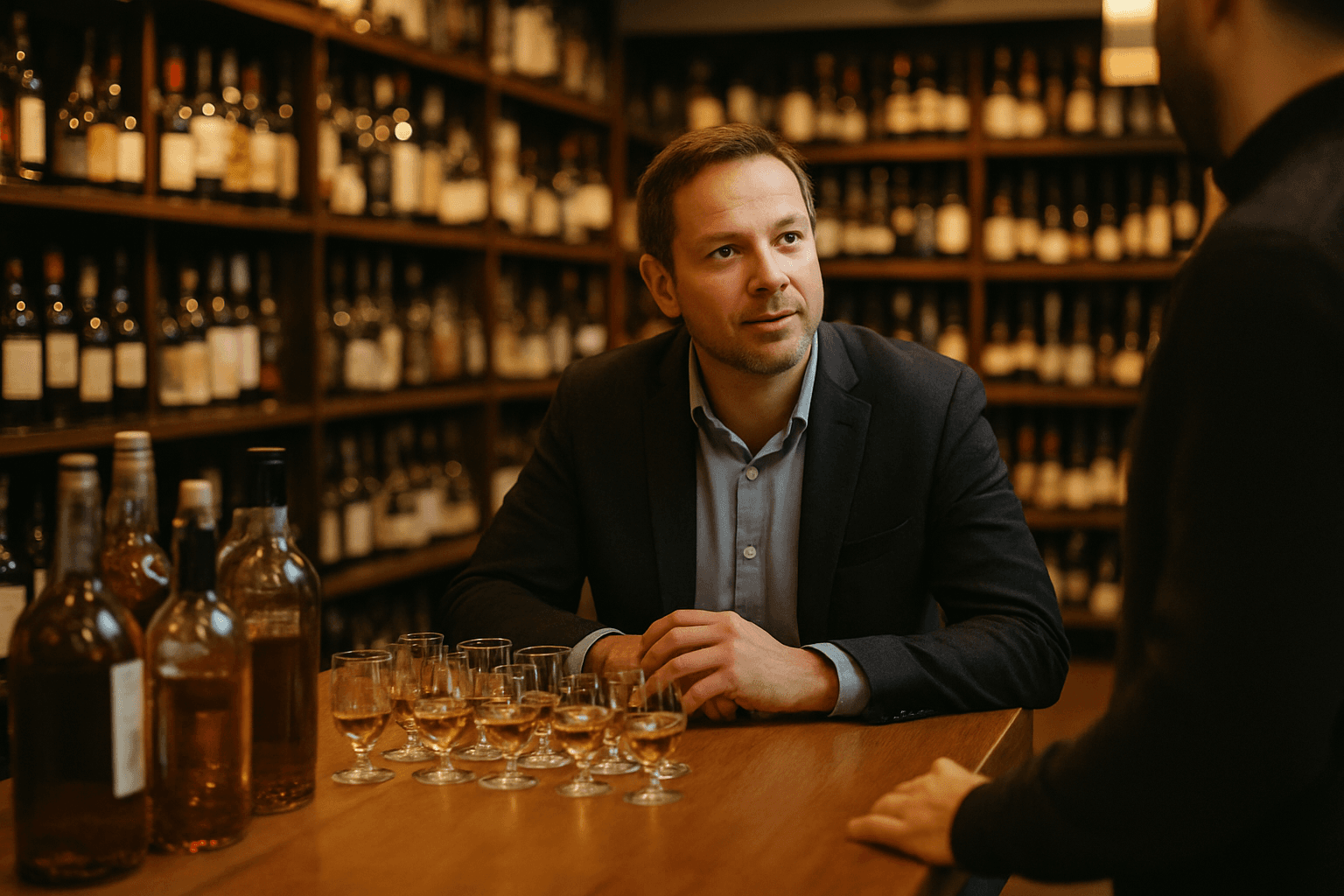
10 Tasting Event Ideas That Actually Convert Liquor Store Visitors Into Loyal Customers
By Intentionally Creative, Editorial Team9 min read
Listen to this article11:43
Schedule a free strategy call and Intentionally Creative will build a custom plan for you.
Schedule Your Free Strategy CallFree audit. No commitment.
Get a Free Audit. No commitment.
Discover 10 proven tasting event ideas that turn one-time visitors into repeat customers. Practical tactics for liquor store marketing success.
Structure each tasting flight around a single region, like Tuscany, Willamette Valley, or Jalisco, to give customers a narrative they can follow through the glass. Pair each pour with a simple food bite that mirrors the region's cuisine, which elevates perceived value and justifies premium pricing. Use display materials or QR-coded tasting notes so customers feel educated rather than sold to. Rotate themes monthly so regulars have a reason to return and follow along.
Learn proven email marketing strategies for liquor stores that turn subscribers into loyal customers. Build your list...
This approach positions your tasting events as a marketing tool for liquor stores that drives repeat foot traffic, not just one-time excitement.
Virtual tastings have evolved into intimate portals that build direct customer relationships beyond the store's four walls. Use a video platform to pour alongside customers at home, then follow up via email with a personal discount on the featured bottle, this simple touchpoint converts a one-time viewer into a repeat buyer. During each session, capture preference data: what did they love, what did they pass on? That intel sharpens future inventory and marketing decisions. Consider offering virtual tastings as a loyalty tier reward, deepening emotional investment in your store.
Personalized virtual tasting events have demonstrated strong growth potential in wine and spirits retail, offering a scalable way to build customer relationships beyond your physical location.
Make tasting parties your recurring signature event, give customers a scheduled night they actively look forward to, transforming a simple shopping trip into something memorable. Invite a local distributor rep to co-host; they bring talking points and product knowledge that save your team time while lending credibility to the experience. Promote at least two weeks out across your social channels and email list to drive strong attendance. Close the evening with a group toast using your house pour, it creates a memorable moment that keeps customers coming back.
Intentionally Creative specializes in digital marketing strategies that drive real results. Let us show you what's possible.
Schedule a CallPair craft beer with artisan cheese, or bourbon with dark chocolate to pull customers out of their usual browsing patterns and into categories they'd never pick off the shelf. Independent retailers can use this same approach to create memorable, multi-sensory experiences that price matching simply can't replicate. When customers discover a new favorite, they're likely to grab a bottle on their way out, naturally increasing basket size. Staff your tasting table with a knowledgeable team member who can guide hesitant samplers into confident buyers.
Cross-category tasting events as a marketing tool for liquor stores turn one-time browsers into repeat customers who associate your store with discovery.
Approach distributors and brand managers about co-hosting tasting events in your store. Suppliers often provide product samples, promotional materials, and even brand ambassadors at little to no cost to you. In return, you get a well-stocked tasting station, foot traffic, and the credibility of a recognized name. Split the planning work and cross-promote on your social channels and theirs. This approach stretches your marketing budget while delivering the kind of experiential event that turns first-time visitors into repeat customers.
Combine your in-store tastings with social media to create a marketing engine that keeps working after customers leave. Start by posting a short video teaser a few days before each event, show the bottles you'll be pouring and hint at the pairings to build anticipation. During the event, encourage guests to photograph their experience and tag your store with a branded hashtag. Reshare the best photos to your story feed while the event is still fresh. Later, repurpose these customer photos in email campaigns and in-store signage, social proof from real people converts better than any ad copy. Tasting events as a marketing tool for liquor stores become even more powerful when customers do the promoting for you.
Invite a certified sommelier or cicerone to lead a structured workshop and watch hesitant browsers become confident buyers. Knowledge-based tastings build trust without a hard sell, customers who feel informed are more likely to spend confidently. Choose a focused theme like "Understanding Burgundy" or "Hops Profiles 101" and give attendees one clear takeaway they can apply next shopping trip. Keep it intimate: cap attendance at 10–15 people so there's room for genuine Q&A. Use registration to collect email addresses, then follow up with personalized links to purchase the featured bottles.
Create a punch-card style passport where customers collect stamps at each tasting event they attend, five stamps earns a reward. Use the passport as a data capture tool: each stamp can correspond to a product category, revealing buying patterns over time. Reward options should be high-perceived-value but low-cost: a premium glass, a discount on a case, or early access to new releases. This approach transforms casual visitors into repeat customers by using tasting events as a marketing tool for liquor stores.
Host a winemaker or distiller dinner to transform tasting events into a premium conversion tool. Multi-course meals paired with live storytelling justify higher price points and create memorable experiences grocery stores can't replicate. Keep seating to around 20 to 30 guests for an intimate setting where producers can connect personally with each attendee. The producer's narrative becomes your competitive advantage, customers leave with a story behind the bottle that drives their purchase decision. Follow up with email campaigns offering exclusive post-event pricing on featured products to convert browsers into buyers.
End every tasting event with a ready-to-go bundle positioned right at the register. Structure the offer around the featured bottle paired with a suggested food item or branded glass at a slight discount. This transforms your tasting events as a marketing tool for liquor stores into measurable selling moments without the awkward hard sell. Position the bundle on an exit-adjacent table so customers can grab it on their way out while the experience is still fresh. Track bundle attach rates per event type to identify which tastings drive the highest revenue per attendee. Over time, this data tells you where to focus your events calendar for maximum return.
The thread connecting all ten ideas is simple: every tasting event should do more than showcase a bottle, it should start a relationship. Whether you're pouring regional flights, co-hosting with suppliers, or running a passport loyalty program, you're collecting information, building trust, and giving customers a reason to walk through your door again. Pick one format, start small, and measure what matters, then layer in the others as your program grows.
Ready to turn your next tasting into a customer conversion engine? Start with your calendar, reach out to one supplier partner this week, and commit to capturing an email address at every event you run. Your repeat customers are waiting.
Aim for at least one tasting event per week, rotating between wine, beer, and spirits to appeal to different customer segments. Consistent scheduling builds anticipation and gives regulars a reason to check in weekly. Track attendance and sell-through data to find your highest-performing day and time slot.
Treating tastings as giveaways instead of selling events. Without a clear next step, whether it's a bundle offer, email signup, or loyalty stamp, attendees enjoy the free pour and leave without buying. Every tasting should have a conversion mechanism built in.
Contact your distributor reps directly and express willingness to host branded events with sell-through commitments. Come prepared with your store's foot traffic numbers and a clear event plan. Suppliers can be receptive to hosting events with retailers who show strong execution, so come prepared with a clear event plan and your store's foot traffic data.
Absolutely. Smaller stores have an advantage: a loyal local customer base, personal relationships, and the ability to niche down with hyper-local themes, craft producers, or cultural themes that larger retailers can't replicate authentically. Tasting parties and personal service are differentiators that size cannot match.
Track three metrics per event: cost of goods sampled (including product and staffing), revenue generated from direct sales during and immediately after the event, and email subscribers captured. Even a modest sell-through rate on featured bottles typically covers event costs when you factor in the lifetime value of a new loyal customer.
Stores with existing email lists and a strong social media following see the highest virtual tasting ROI. Virtual events work especially well for reaching customers outside your immediate trade area and for offering personalized experiences to high-value loyalty members who can't attend in-store events.
Make email capture a natural part of the event experience, offer a loyalty stamp, exclusive post-event discount, or early access to future events in exchange for signing up. Avoid a generic sign-up sheet; instead, have staff ask personally for preferences while capturing emails, which also builds your preference database for future inventory decisions.