9 Geofencing Mistakes Liquor Stores Make, and How to Fix Each One
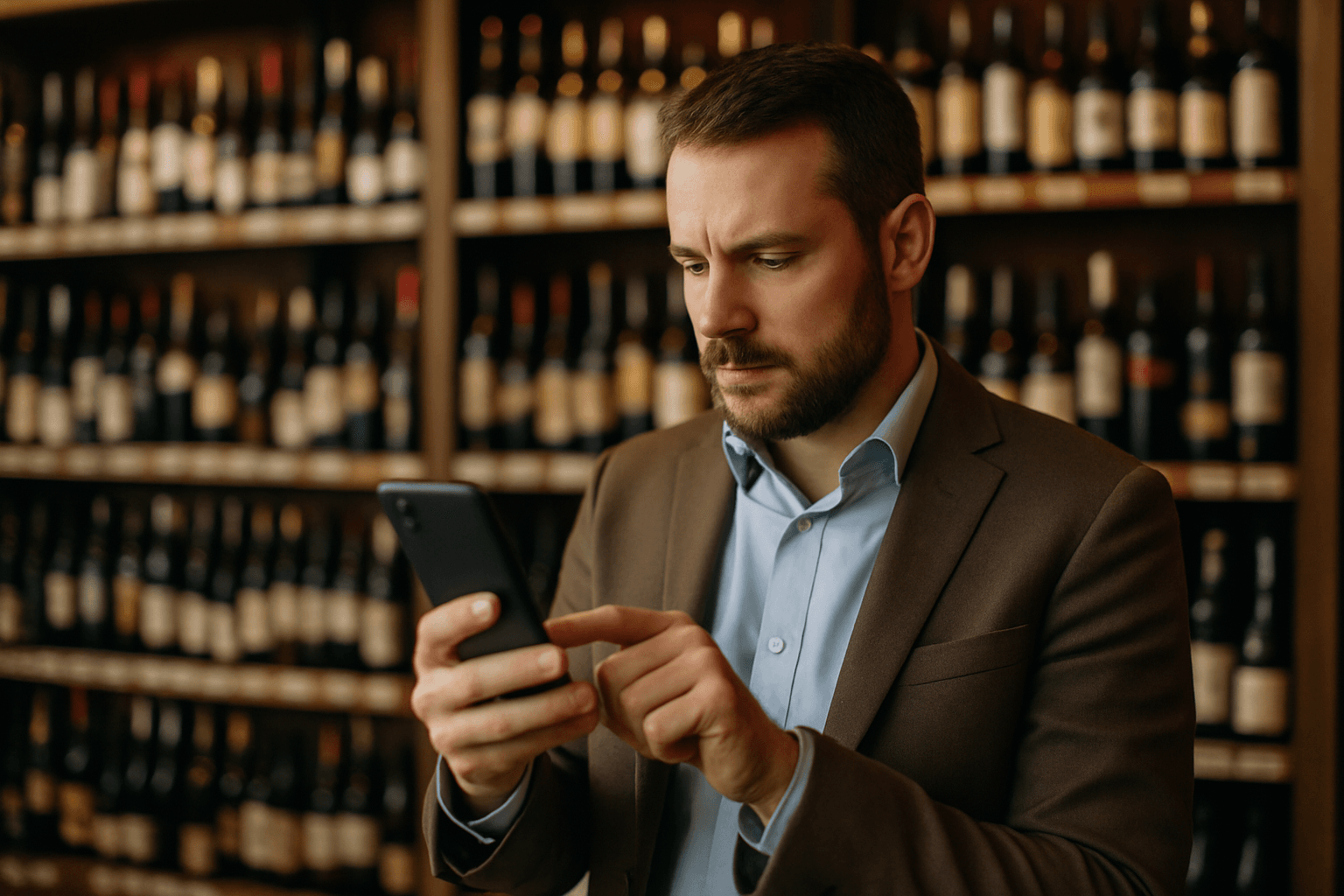
Avoid these common geofencing mistakes liquor stores make. Learn how to use geofencing as a liquor store to drive foot traffic and boost sales with location-based advertising.
- TL;DR
- 1. Setting the Wrong Geofence Radius When Using Geofencing as a Liquor Store
- 2. Sending Offers Without Creating Urgency
- 3. Ignoring Competitor Location Targeting When Using Geofencing as a Liquor Store Strategy
- 4. Using Vague, Non-Actionable Ad Copy
TL;DR
- Geofencing lets liquor stores reach nearby shoppers on their phones, but only when executed strategically
- Common geofencing challenges include missing urgency, poor targeting radius, and weak ad copy
- Fix these nine errors to potentially turn your geofencing budget into real in-store sales
- Competitor location targeting and retargeting are strategies many liquor stores could leverage more effectively
- Track your attribution properly to understand whether geofencing is working for your store
1. Setting the Wrong Geofence Radius When Using Geofencing as a Liquor Store
Your geofence radius determines who sees your ads, and getting it wrong wastes your budget fast. An overly broad radius dilutes spend by reaching people unlikely to make a store trip. An extremely narrow radius cuts out customers still in decision mode, even if they're just beyond your reach. Many brands find that a 3-5 mile radius serves as a useful starting point for most neighborhoods (Trybrick ↗). Test, measure foot traffic changes, and tighten or expand based on what actually drives visits.
2. Sending Offers Without Creating Urgency
When you learn how to use geofencing as a liquor store, understand that location-based ads only work if they push people to act now. Using GPS targeting, you can serve ads to shoppers within a few miles of your store, but a generic "10% off" message won't pull them away from wherever they are. Location-based ads work best when they spark a sense of urgency, so offer a special deal in return for immediate action (Awaken ↗). Instead of vague promotions, use time-limited language: "Grab this deal before you leave" or "Present this ad within 2 hours." Your ad must be actionable and relatable enough to drive someone out of their current task and through your doors (Reveal OOH ↗).
3. Ignoring Competitor Location Targeting When Using Geofencing as a Liquor Store Strategy
Draw virtual boundaries around competitor locations to intercept shoppers while they're actively browsing alternatives. Using GPS targeting, stores can serve ads to people within a few miles of the store, often while they're browsing their phones. This catches them at a decision point, positioning your store as a convenient alternative. Rotate which competitor locations you target monthly to identify which drive the most conversions. Geofencing ads must be actionable and relatable enough to increase store traffic and drive sales. Pair this strategy with a compelling reason to switch, like a limited-time deal, so urgency motivates immediate action.
4. Using Vague, Non-Actionable Ad Copy
Your geofencing ad is only as good as its call to action. If you're still wondering how to use geofencing as a liquor store effectively, start here: tell people exactly what to do next. Generic copy like "Experience premium spirits today" sounds polished but does nothing, it doesn't instruct, motivate, or convert. Location-based ads work best when they spark urgency, so offer a special deal in return for immediate action (Awaken ↗). Strong ads are specific and direct: "Show this ad for $5 off bourbon, right now." Geofencing ads must be actionable and relatable enough to actually drive people through your doors (Reveal OOH ↗). Replace the corporate fluff with a clear instruction and a reason to act now, that single change transforms a passive impression into a store visit.
5. Forgetting to Optimize for Mobile Shoppers When Using Geofencing as a Liquor Store
When someone clicks your geofence ad, they expect a fast, seamless experience. Since mobile devices are often the primary way people engage with location-based ads, a slow-loading landing page can kill conversions before they start (Trybrick ↗). Make sure your ad links directly to a mobile-friendly offer page or a simple Google Maps shortcut to your store. Location-based ads work best when they spark a sense of urgency, so include a special deal that encourages immediate action (Awaken ↗). The moment matters, don't lose customers because your page didn't load fast enough.
Discover 7 proven Instagram content ideas for liquor stores that boost engagement and drive sales. Learn how to promo...
6. Skipping the Retargeting Layer
One ad impression rarely closes a sale, your geofence campaign needs a follow-up sequence to actually drive foot traffic. Retarget users who engaged with your initial geofence ad but didn't visit, hitting them again within 24 hours with urgency-driven messaging. Sequence your approach: first build awareness, then push urgency with a special deal, and finally remind them to visit before the offer expires. This layered approach turns cold audiences into warm leads. Many brands find that GPS targeting works effectively to serve ads to people within a few miles, often while they're browsing their phones (Trybrick ↗). Without retargeting, you're paying for impressions that never convert.
7. Neglecting Compliance and Platform Restrictions
Alcohol advertising comes with rules you can't ignore. When learning how to use geofencing as a liquor store, your ad creative must include proper age-gating and avoid any content that could appeal to minors. Beyond creative guidelines, each platform enforces its own alcohol ad policies, Facebook restricts targeting and creative, Google has location-based limitations, and programmatic networks vary widely. A single violation can get your account suspended mid-campaign, wasting spend and momentum. Partner with a platform experienced in liquor retail advertising to navigate these requirements from the start. They know which copy triggers review holds, how to structure campaigns within platform rules, and how to keep your geofencing ads running without interruption.
8. Failing to Track Attribution Properly
If you can't measure it, you can't prove geofencing works, and you won't know how to use geofencing as a liquor store profitably. Set up store visit tracking before your first campaign launches, not after. Use unique promo codes for each geofence target so every redemption ties directly back to that specific ad. Then compare foot traffic during your campaign window against your baseline period to see real impact. Without this foundation, you're guessing, not optimizing. Attribution turns location-based ads into a data-driven growth engine, not a black box.
9. Setting Up Campaigns and Walking Away
The biggest mistake in learning how to use geofencing as a liquor store is launching a campaign and immediately moving on. Geofencing requires ongoing optimization, audiences, radii, and creative need regular tuning to stay effective. Review performance weekly during your first month to learn what drives foot traffic. Once you identify what works, shift to bi-weekly check-ins. Beyond cadence, make seasonal adjustments: tighter radii and event-specific messaging around holidays and local happenings can significantly improve results. Many brands find that urgency-based offers with special deals perform best for immediate action, so keep your offers fresh (Awaken ↗). Consistent tweaks transform a decent campaign into a reliable traffic driver.
Learn how to advertise a liquor store online using Reddit. 8 proven strategies to reach local buyers Reddit's communi...
Conclusion
Geofencing has real potential for liquor stores willing to put in the strategic work. Most of these mistakes are easy to fix once you know what to look for, and avoiding them puts your ad dollars where they belong: in your store. Start with the issues that apply to your current setup, build your measurement foundation early, and treat your campaigns as living assets that need attention.
Frequently Asked Questions
What is geofencing for liquor stores?
Geofencing sets virtual geographic boundaries around a liquor store or competitor location, triggering ads when target users cross those boundaries. Using GPS targeting, stores can serve ads to people within a few miles, often while they're browsing their phones (Trybrick ↗).
How accurate is geofencing for retail stores?
Modern geofencing technology can typically target users within a range from a few hundred feet to several miles, depending on your chosen radius and the platform you use. Accuracy may vary when targeting indoor locations versus outdoor geographic zones (Sinuate Media ↗).
How much does liquor store geofencing cost?
Costs vary by platform, targeting radius, and campaign duration. The key is setting clear KPIs upfront so you can measure whether your spend drives store visits and sales.
Stop leaving online sales on the table. Here are the 10 most costly e-commerce mistakes liquor stores make and how to...
Can you geofence competitor locations for alcohol ads?
Yes. You can draw virtual boundaries around competitor liquor stores to serve ads to people visiting those locations. This approach can intercept shoppers mid-decision and position your store as a convenient alternative with a compelling offer (Get Creative ↗).
What's the biggest mistake in geofencing campaigns?
Sending offers without urgency is a common mistake. Location-based ads can work best when they spark urgency, so consider pairing your location targeting with a time-sensitive deal that motivates immediate action (Awaken ↗).
How do I measure if geofencing is working for my liquor store?
Track store visit conversions through platform attribution tools, use unique promo codes per campaign, and compare your foot traffic during campaign periods against baseline data. Without proper attribution, measuring ROI becomes challenging.
Do alcohol ads on geofencing platforms need compliance review?
Yes. Alcohol advertising faces restrictions across most platforms, including age-gating requirements and content limitations. Work with a platform or agency experienced in liquor retail advertising to help ensure your campaigns comply with both platform policies and local regulations.
Sources
- Trybrick: https://www.trybrick.com/digital-advertising-liquor-stores/ ↗
- Awaken: https://www.awaken.media/awaken-work/the-art-of-geofencing-and-why-you-should-be-doing-it/ ↗
- Reveal OOH: https://revealmobile.com/how-to-increase-retail-foot-traffic-with-geofecing-ads/ ↗
- Get Creative: https://get-creative.co/blog/how-to-set-up-geofencing-campaigns-for-liquor-stores-around-competitor-locations-and-local-events-without-wasting-your-ad-budget ↗
- Sinuate Media: https://sinuatemedia.com/geofencing-guide-what-is-it-and-how-to-use-it/ ↗