How Liquor Stores Can Capture Consumers Returning to Bars This Summer Using Geofencing and Social Ads
By Intentionally Creative, Editorial Team10 min read
Listen to this article13:21
Discover how liquor stores can use geofencing and social ads to target bar-goers this summer. Learn location-based marketing tactics that drive foot traffic.
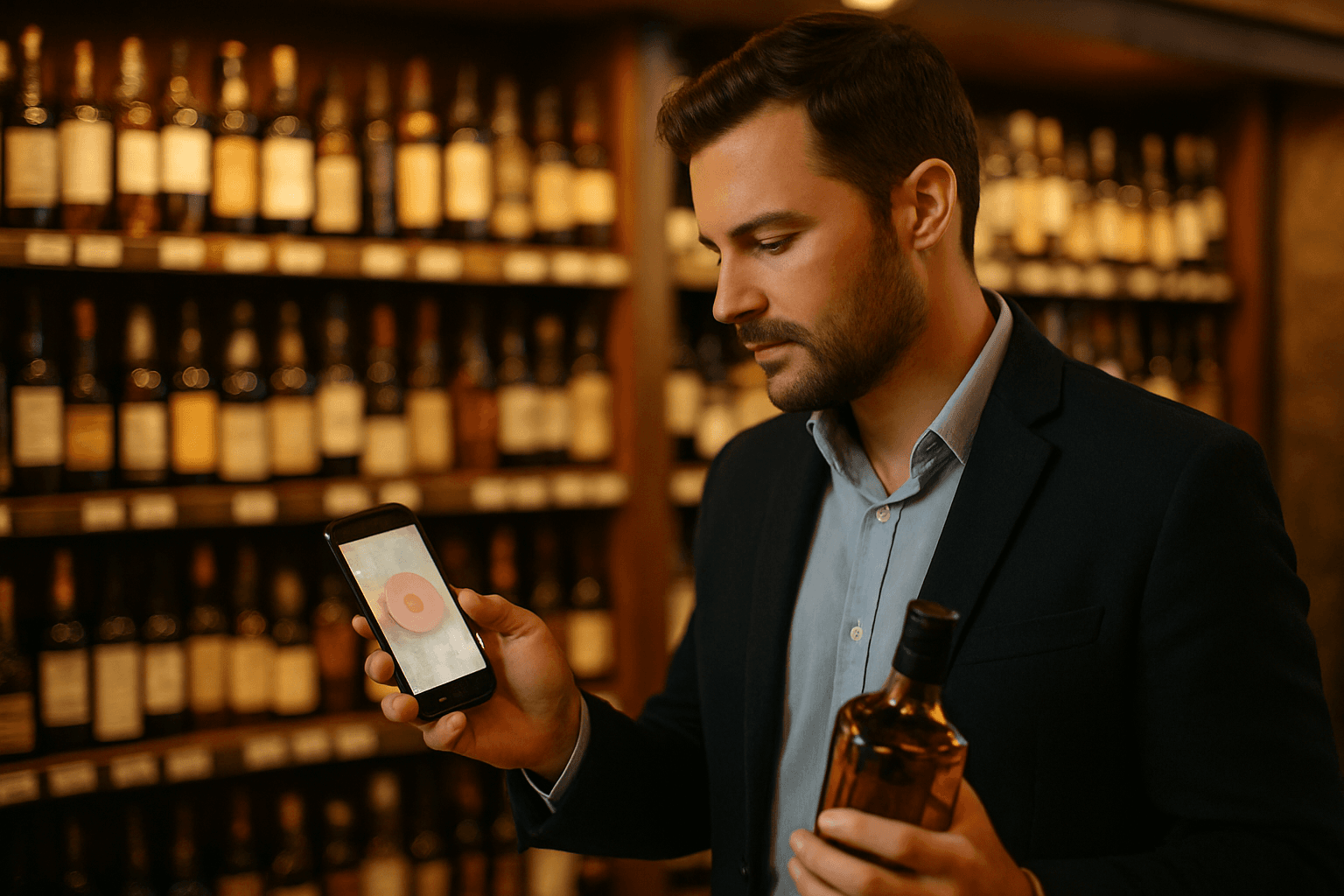
It's a warm Thursday evening. The sun is starting to dip, and the bar district near your liquor store is beginning to hum with activity. Groups of friends are wandering between establishments, phones in hand, figuring out where to start their night. What if you could reach those exact people, not as they scroll past a random ad somewhere online, but right there, in the moment they're making decisions about what to drink?
This is exactly what liquor store geofencing advertising makes possible. And this summer, as consumers flock back to bars and nightlife venues, independent liquor stores have a unique window to intercept customers who are already in "alcohol mode" and redirect their spending to a smarter, more affordable alternative.
The opportunity isn't about competing with bars. It's about capturing the spillover, the pre-gamers, the late-night stoppers, the backyard BBQ planners who are already spending money on alcohol and just need a better reason to choose your shelves instead of a bar tab. Let's walk through how geofencing and social media ads can help you do exactly that.
As summer arrives, consumers return to bars and nightlife, but their at-home drinking habits don't disappear. People still want quality spirits for backyard gatherings, pre-game drinks, and quiet evenings at home. The difference is they're now spending more on alcohol overall, which means their purchasing habits are active and ready to be captured.
Bar-goers represent a primed audience already spending on alcohol, making them high-value targets for pre-party and take-home purchases. If your store sits near bar districts or nightlife areas, you have a geographic advantage that most competitors ignore entirely.
The opportunity is clear: these customers are already in "alcohol mode." They're browsing, purchasing, and experimenting. Your job isn't to create demand, it's to redirect it.
This post will walk through a proven, budget-friendly liquor store geofencing advertising strategy using geofencing and social media ads to intercept these customers at the right moment. Many alcohol retailers have found mobile geofencing effective for driving measurable sales impact.
Sound simple? It is. Let's dig into how it works.
Geofencing creates a virtual boundary around a physical location using GPS technology. For liquor stores, this typically means setting up a perimeter around your own store, nearby bars, or competing retailers. When smartphone users enter or exit this boundary, they can receive targeted ads on their devices in real-time.
Think of it like casting a net, but instead of catching fish, you're capturing the attention of potential customers already in your vicinity. The technology works seamlessly in the background, requiring no action from the consumer beyond having location services enabled on their phone.
Discover how to promote your liquor store on Instagram with proven strategies. Learn to create engaging content that ...
Here's where liquor store geofencing advertising becomes a game-changer. Traditional digital ads cast a wide net, reaching people anywhere, but often missing the ones who matter most. Geofencing for alcohol retailers allows you to reach customers while they're actively browsing near your business. That means advertising to potential customers at the exact moment they're in a buying mindset near competing locations.
When someone walks past a bar at 6 PM and your ad appears, they're in decision mode. A case study documented by VENDRY showed that MBI used mobile geofencing to target shoppers near specific stores, resulting in measurable sales lifts for an alcohol brand.
Instead of hoping your message finds its way to interested shoppers, your liquor store digital marketing strategy puts you directly in front of bar customer targeting ads during peak decision moments. No wasted impressions. No guessing. Just smarter advertising that works when and where it matters.
A strong liquor store geofencing advertising strategy doesn't stop at location targeting, it layers in the behavioral data that social platforms like Facebook and Instagram make available to reach the right people at the right moment. When you combine precise location targeting with audience insights, you create a liquor store digital marketing strategy that speaks directly to bar-goers before they even decide where to drink.
Start by mapping your store's surrounding area and identifying the places that drive foot traffic to competing establishments. Create geofences around popular bars, restaurants, and entertainment venues within a reasonable driving distance of your store, depending on your market density. Some liquor retailers refer to this approach as geofencing for alcohol retailers, and it's particularly effective when you include competitor locations in your targeting zones. This allows you to intercept potential customers who are already in a purchasing mindset.
Platforms like Facebook and Instagram let you layer your location targeting with interests, behaviors, and age groups. For example, you can target users who have shown interest in craft cocktails, wine, or local nightlife within your defined geofence area.
Serving ads when bar crowds are most active, typically Thursday through Sunday evenings, gives you the best window to influence their purchasing decisions. Your ad creative should feature what makes your store the smarter choice: happy hour specials, craft beer selections, premium spirits, or a deal on mixers that makes pre-gaming at home more appealing than paying bar prices.
Alcohol brands have seen meaningful results when targeting shoppers near specific stores with relevant offers at the exact moment they're considering their options. That kind of bar customer targeting ads approach works because it meets customers with a relevant offer at the exact moment they're considering their options.
Include time-sensitive offers with clear CTAs like "Stop by before 8pm" or "Pre-game with a discount on mixers." Urgency drives action, and specificity makes your ad feel like a service rather than a interruption.
Discover how Instagram Reels for liquor stores works differently than TikTok. Get algorithm-specific tips to boost yo...
When it comes to liquor store geofencing advertising, the magic isn't just in the technology, it's in the timing and relevance. Location-based targeting allows alcohol retailers to reach consumers when they're physically near points of purchase or even competing establishments. This creates a natural intercept moment when someone's mindset is already aligned with making a purchase.
The key is combining precise location targeting with relevant ad messaging timed to when customers are most receptive. You're not just reaching anyone with a smartphone nearby, you're reaching people who are actually nearby and in the right frame of mind.
This approach can reduce wasted ad spend by focusing on users within defined geographic zones rather than broad, untargeted audiences. The VENDRY case study documented how an alcohol brand achieved meaningful sales impact through mobile geofencing targeting of nearby shoppers.
The takeaway: geofencing for alcohol retailers works best when paired with offers that match where customers are in their buying journey. A special on mixers hits differently when someone is standing outside a bar on a Saturday night, versus when they're browsing from their couch on a Tuesday afternoon. Your liquor store digital marketing strategy should account for these context shifts through bar customer targeting ads that feel helpful rather than intrusive.
Start with Facebook Business Manager, it's accessible for small budgets and offers robust location targeting features that make liquor store geofencing advertising straightforward even if you're new to digital ads. The platform also integrates with Instagram, giving your campaigns additional reach without requiring separate management.
Set your geofences around high-traffic bar areas, sports venues, and entertainment districts where your target customers already gather. When placing these zones, experiment with radii based on your store's location, smaller radiuses may work better in dense urban areas, while suburban locations might benefit from broader targeting. For audience targeting, focus on adults in your market with interests in dining out, nightlife, craft beverages, and sports.
Start with a modest monthly test budget, focusing your spend on Thursday through Sunday between late afternoon and evening hours when your bar-bound audience is most likely to be making plans. Use frequency caps to avoid ad fatigue, limit how often users see your ads during the campaign period so your message stays fresh rather than annoying. Many brands find that disciplined testing leads to measurable returns over time.
Not all metrics are created equal. Reach, impressions, and click-through rates tell you if your liquor store geofencing advertising is getting seen, but they don't tell you if it's making money. Track these efficiency metrics early in your campaign, but don't mistake them for success indicators.
True success lives in revenue. Cost per acquisition, average transaction value from campaign customers, and return on ad spend (ROAS) show whether your geofencing for alcohol retailers efforts actually pay off.
Meta ads for liquor stores require strict compliance and smart strategy. Learn campaign structure, budget allocation,...
Here's where most liquor stores lose the thread. Your liquor store digital marketing strategy should make attribution straightforward, not guesswork.
Start by monitoring in-store traffic during campaign periods. Compare Thursday-Sunday sales before and after launching your bar customer targeting ads, this gives you a clean baseline window.
Better yet: use unique promo codes or QR codes in your ads. When a customer scans or types a code at checkout, you know exactly which campaign brought them in.
Finally, calculate ROAS by dividing revenue from campaign-attributed customers by your ad spend. Brands using mobile geofencing to target nearby shoppers have demonstrated measurable sales impact according to documented case studies in the alcohol marketing space.
If your ROAS exceeds your break-even threshold, scale up. If not, adjust targeting or creative before investing more.
The success stories from alcohol retailers using mobile geofencing show that targeting nearby shoppers can drive meaningful results. This checklist gives you a practical framework to execute your liquor store geofencing advertising strategy this summer.
The tools are accessible, the audience is already there, and the timing couldn't be better. This summer, bar crowds will be out in full force, and so will the opportunity for smart liquor store owners to intercept them.
Start small, measure what matters, and let the data guide your next move. Your most valuable customers this season might be the ones walking past a bar right now, wondering where to grab something good before the night kicks off. Make sure your store is the answer they find.