What is Geofencing? A Liquor Store Owner's Guide to Driving Foot Traffic
By Intentionally Creative, Editorial Team12 min read
Listen to this article14:52
Schedule a free strategy call and Intentionally Creative will build a custom plan for you.
Schedule Your Free Strategy CallFree audit. No commitment.
Get a Free Audit. No commitment.
Discover how geofencing can transform your liquor store's marketing strategy by driving foot traffic and boosting sales through targeted, location-based advertising.
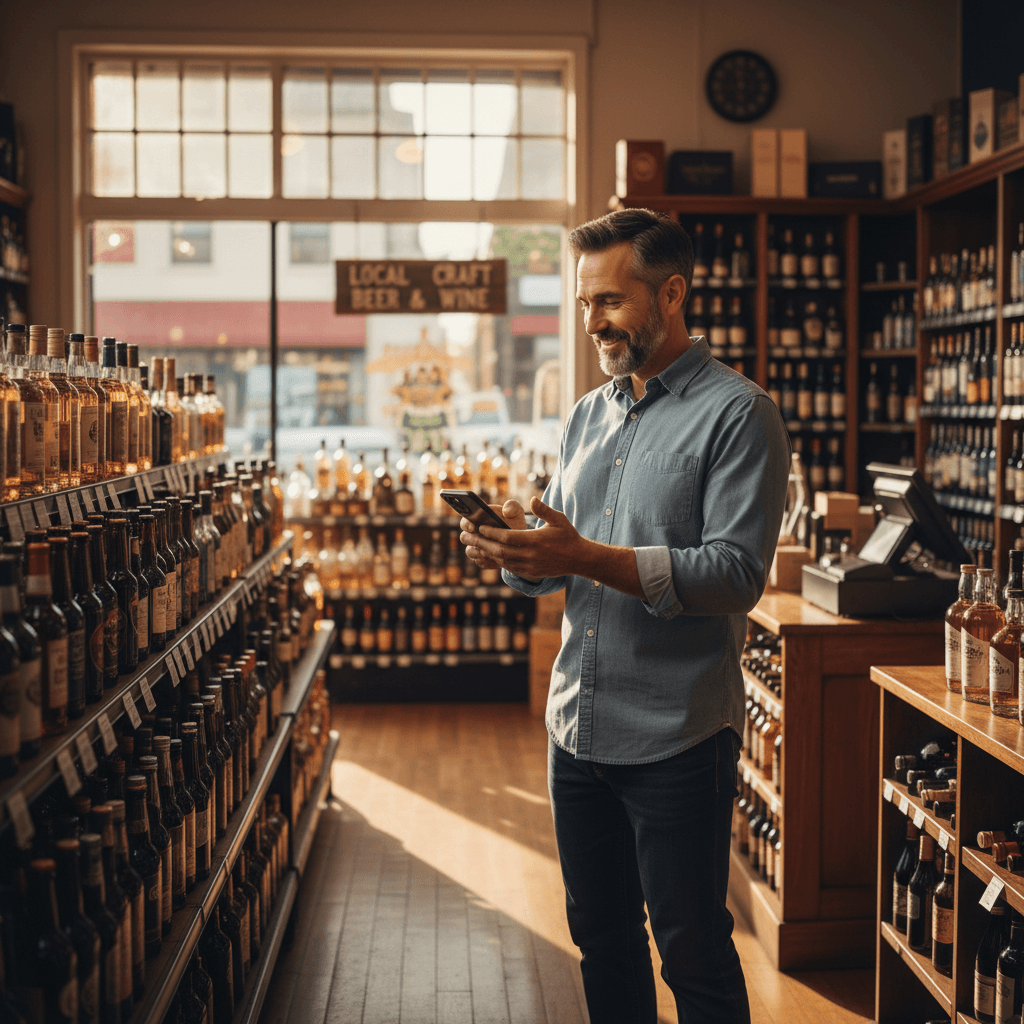
Imagine walking past a liquor store and suddenly receiving an enticing offer on your phone for your favorite bottle of whiskey. This is the power of geofencing, a technology that sets up virtual boundaries around specific locations, like liquor stores, and triggers targeted actions when mobile devices enter these zones. By leveraging geofencing, retailers can send timely ads and promotions directly to potential customers’ smartphones, enhancing the shopping experience and driving foot traffic.
Learn how geofencing liquor store advertising works, target competitor foot traffic, craft winning ad creative, and s...
For liquor stores, geofencing is not just a trendy tech tool; it’s a game-changer in retail marketing strategy. It offers a way to engage with customers at the perfect moment, when they’re nearby and potentially ready to make a purchase. This location-based marketing approach is particularly effective for liquor retailers aiming to boost in-store sales. By delivering geo-targeted ads and promotions to users who are browsing their phones near the store, liquor retailers can significantly increase foot traffic. Moreover, through geo conquesting, stores can even attract customers away from competitors by sending tailored offers to individuals visiting rival locations.
In this article, we’ll explore how geofencing can transform your liquor store’s marketing efforts, enhance customer engagement, and ultimately, drive sales. Whether you're a seasoned retailer or new to the concept, you'll gain valuable insights into why adopting this innovative technology could be a smart move for your business.
Geofencing technology lays the groundwork for an innovative approach to location-based marketing by creating virtual perimeters around designated areas, such as liquor stores or competitors' establishments. These boundaries, often defined through GPS, RFID, Wi-Fi, or cellular data, enable businesses to monitor when a mobile device crosses into the specified zone. The setup process begins with mapping out the desired geofence using specialized software that allows businesses to tailor the radius down to a few meters around a specific location. This precision ensures that promotions target only those within immediate proximity, maximizing the relevance of the marketing effort. The technology continuously scans for mobile devices entering these areas, leveraging smartphones' location services to identify when a potential customer is nearby. For instance, a liquor store might establish a geofence around its location and competitor outlets, setting the stage for targeted engagement.
Once a mobile device enters the geofenced area, the magic of geofencing unfolds by delivering targeted advertisements directly to the user. These ads, often displayed as push notifications, SMS messages, or in-app banners, are crafted to capture attention and drive action. For liquor stores, these promotions might include time-sensitive discounts on popular beverages or exclusive offers unavailable elsewhere. The effectiveness of these ads lies in their ability to reach customers at the optimal moment, when they are in proximity to the store and potentially seeking alcoholic products. Geo-targeted promotions have been shown to significantly enhance foot traffic; according to a study by BIA/Kelsey, location-targeted ads are poised to account for 45% of mobile ad spending by 2021, underscoring their growing importance. By employing geo-conquesting strategies, liquor stores can even entice patrons of nearby competitors with compelling offers, effectively drawing them away. This targeted approach not only boosts in-store sales but also cultivates a more engaged customer base, ultimately enhancing the overall shopping experience.
Geofencing strategies for liquor stores primarily revolve around two powerful techniques: geo-targeting and geo-conquesting. Geo-targeting involves creating virtual perimeters around your liquor store to deliver personalized ads and promotions to potential customers who enter these boundaries. For instance, when a customer walks or drives near your store, they may receive a notification about a special discount on their favorite brand of whiskey, enticing them to visit your store.
On the other hand, geo-conquesting takes a competitive edge. It targets individuals who are near or visiting a competitor's liquor store. By creating a geofence around a rival location, you can trigger ads that encourage customers to choose your store instead. For example, if a customer is at a competitor's location, they might receive a notification offering a discount on a commonly purchased product if they visit your store instead. This strategy leverages the convenience of location to sway customer decisions, making it a potent tool for increasing foot traffic.
To maximize the impact of geofencing, liquor stores should focus on crafting compelling promotions that resonate with their target audience. A well-designed offer can significantly enhance customer engagement. For example, consider offering a "buy one, get one free" deal on popular wines or spirits, which can be especially appealing during holiday seasons. Seasonal promotions play a crucial role; a summer sale on refreshing drinks or a holiday discount on premium liquors can capitalize on customer moods and demands.
Additionally, tie promotions to special events such as football games or local festivals, aligning your offers with occasions when customers are more inclined to purchase alcohol. A study by Factual found that location-based ads have a click-through rate 20% higher than traditional ads, underscoring the effectiveness of timely and relevant promotions. By strategically planning these offers, liquor stores can not only attract new customers but also foster loyalty among existing ones, ensuring a steady stream of in-store traffic.
Selecting the appropriate geofencing tool is crucial for a liquor store aiming to enhance customer engagement and drive foot traffic. Popular platforms that offer robust geofencing capabilities include Google Ads, Facebook Ads, and specialized tools like GroundTruth and Radar. Google Ads allows for precise location targeting, ensuring your ads reach potential customers within a specific radius. Facebook Ads, with its extensive audience data, can target users based on location and behavior, making it a versatile choice. GroundTruth and Radar are tailored for advanced location-based marketing, offering features like real-time analytics and competitive geofencing.
When choosing a platform, consider criteria such as ease of use, integration capabilities with existing marketing systems, and the depth of location analytics offered. Cost is another factor; some platforms offer competitive pricing models that cater specifically to small businesses. Ultimately, the right tool should align with your business goals, providing the insights needed to refine your marketing strategies effectively.
Initiating a geofencing campaign begins with defining your target area. For a liquor store, this might include the immediate vicinity of your store or competitor locations. Start by creating a virtual boundary using the geofencing tool's interface. Next, craft compelling ad content tailored to the preferences of your target audience, such as discounts on popular items or exclusive tasting events.
Once the campaign is live, monitoring its performance is essential. Utilize the platform's analytics to track metrics like impressions, click-through rates, and conversion rates. Adjust your campaign based on these insights; for instance, if a particular offer is underperforming, experiment with different messaging or call-to-action strategies. According to a study by Factual, businesses using geofencing see a 20% increase in foot traffic, highlighting the importance of ongoing campaign optimization.
By following these steps, liquor stores can leverage geofencing to not only attract more customers but also gain valuable insights into consumer behavior, ultimately leading to more effective marketing strategies.
Geofencing technology revolutionizes how liquor stores attract foot traffic by delivering geo-targeted offers to potential customers nearby. Imagine a customer walking down the street, casually browsing their phone, when a notification pops up offering a 15% discount on their favorite whiskey at a store just a block away. Such timely and location-specific promotions can effectively draw curious passersby into the store. For instance, a liquor store in downtown Chicago implemented a geofencing strategy during a local festival, offering festival-goers exclusive discounts on craft beers. This initiative resulted in a 25% increase in foot traffic over the weekend, demonstrating the power of location-triggered offers in attracting nearby customers.
Beyond merely increasing foot traffic, geofencing significantly enhances customer engagement through the delivery of personalized ads. By leveraging data on customer preferences and behaviors, liquor stores can craft messages that resonate more deeply with their audience. For instance, sending notifications about wine tastings or cocktail-making events tailored to individual interests can foster a sense of connection and loyalty. Timing and relevance are paramount; ads sent during peak hours or aligned with local events ensure higher interaction rates. A study by a leading mobile marketing firm revealed that personalized, timely ads can boost customer engagement by up to 60%, underscoring the importance of precision in digital marketing efforts.
The ripple effect of increased foot traffic directly translates into higher in-store sales. Each additional customer drawn in by a geofenced promotion represents an opportunity for upselling and cross-selling. A case study involving a New York liquor store showed a 20% increase in sales during a month-long geofencing campaign targeting nearby office workers with after-work drink promotions. The data speaks volumes: with more customers coming through the doors, the likelihood of additional purchases rises, thereby boosting the store's overall revenue. Consequently, geofencing not only brings people to the store but also enhances the bottom line, making it an invaluable tool for liquor retailers aiming to maximize their market presence.
Intentionally Creative specializes in geofencing strategies that drive real results. Let us show you what's possible.
Schedule a CallLiquor stores across the country have leveraged geofencing with remarkable success, resulting in increased foot traffic and sales. For instance, a regional liquor chain utilized geofencing to target potential customers within a one-mile radius, serving them geo-targeted promotions through mobile ads. This campaign resulted in a 30% spike in foot traffic within the first month alone, clearly demonstrating the power of location-based marketing.
Another compelling example is a small, family-owned liquor store that employed geo conquesting strategies to divert potential customers from a neighboring competitor. By offering personalized discounts to individuals who entered the geofenced area around the competitor’s store, they successfully increased their customer base by 15% over the course of three months. This example underscores the effectiveness of drawing in new clientele with tailored offers.
These case studies illustrate that by using geofencing, liquor stores can not only enhance customer engagement but also achieve tangible growth in sales and customer acquisition. The strategic implementation of geofencing, therefore, serves as a potent tool in the competitive landscape of liquor retail, as it connects with customers at the right place and time.
In conclusion, geofencing presents a powerful opportunity for liquor stores to revolutionize their marketing strategies. By creating virtual boundaries, stores can deliver precise, location-based ads that captivate potential customers when they're most receptive. Whether it's attracting foot traffic through geo-targeted promotions or enticing competitor store visitors with geo conquesting, the benefits are substantial. Store owners should consider integrating geofencing to enhance engagement and boost sales. Embrace this innovative approach to stay competitive, and harness its potential to understand customer behaviors better. Start implementing geofencing today and watch your liquor store thrive in a digital landscape.